Fabric Interfaces

Purpose
Work
Company
Year
2025
Duration
2 months
Role
Researcher, Interaction Designer & Prototyper

Abstract

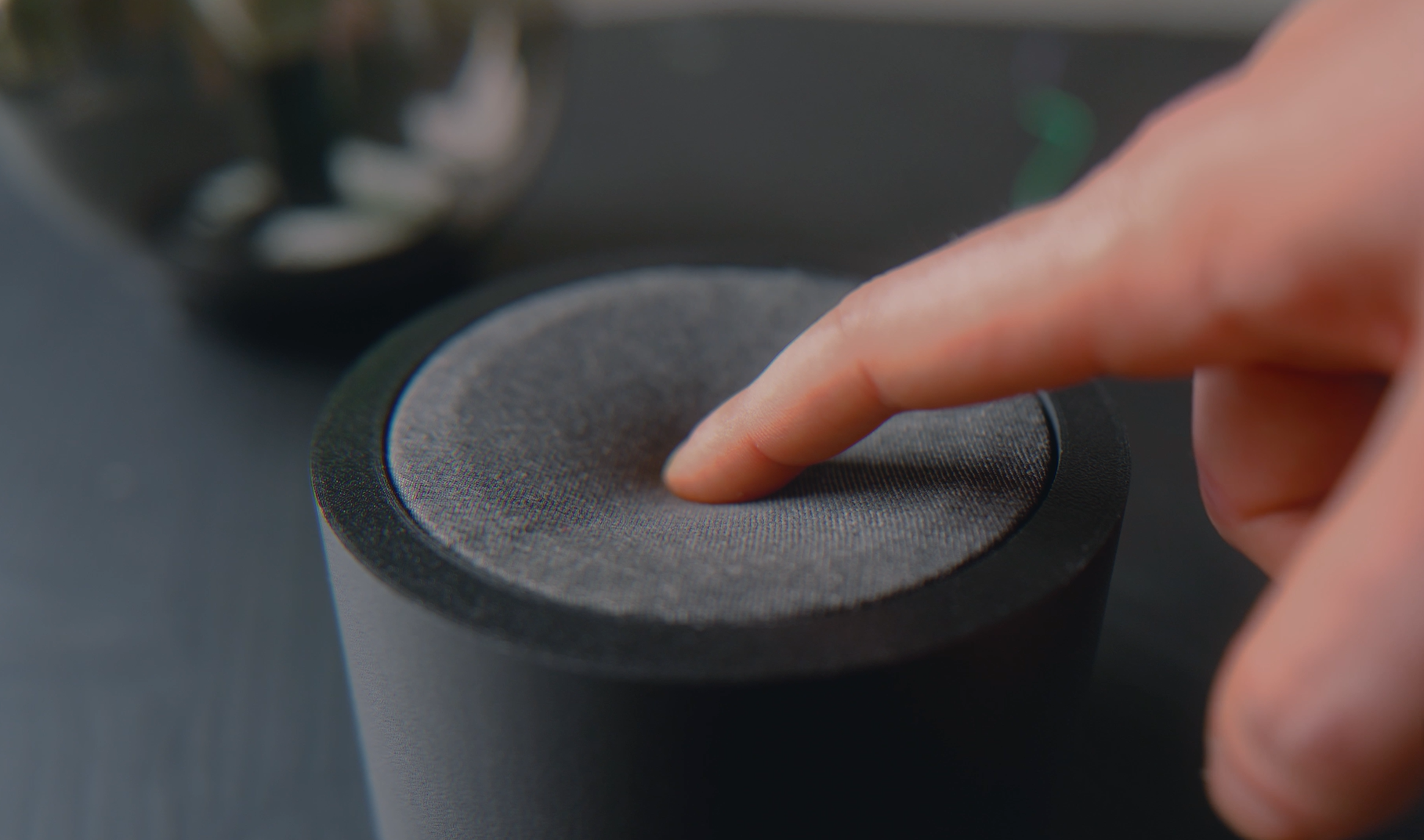
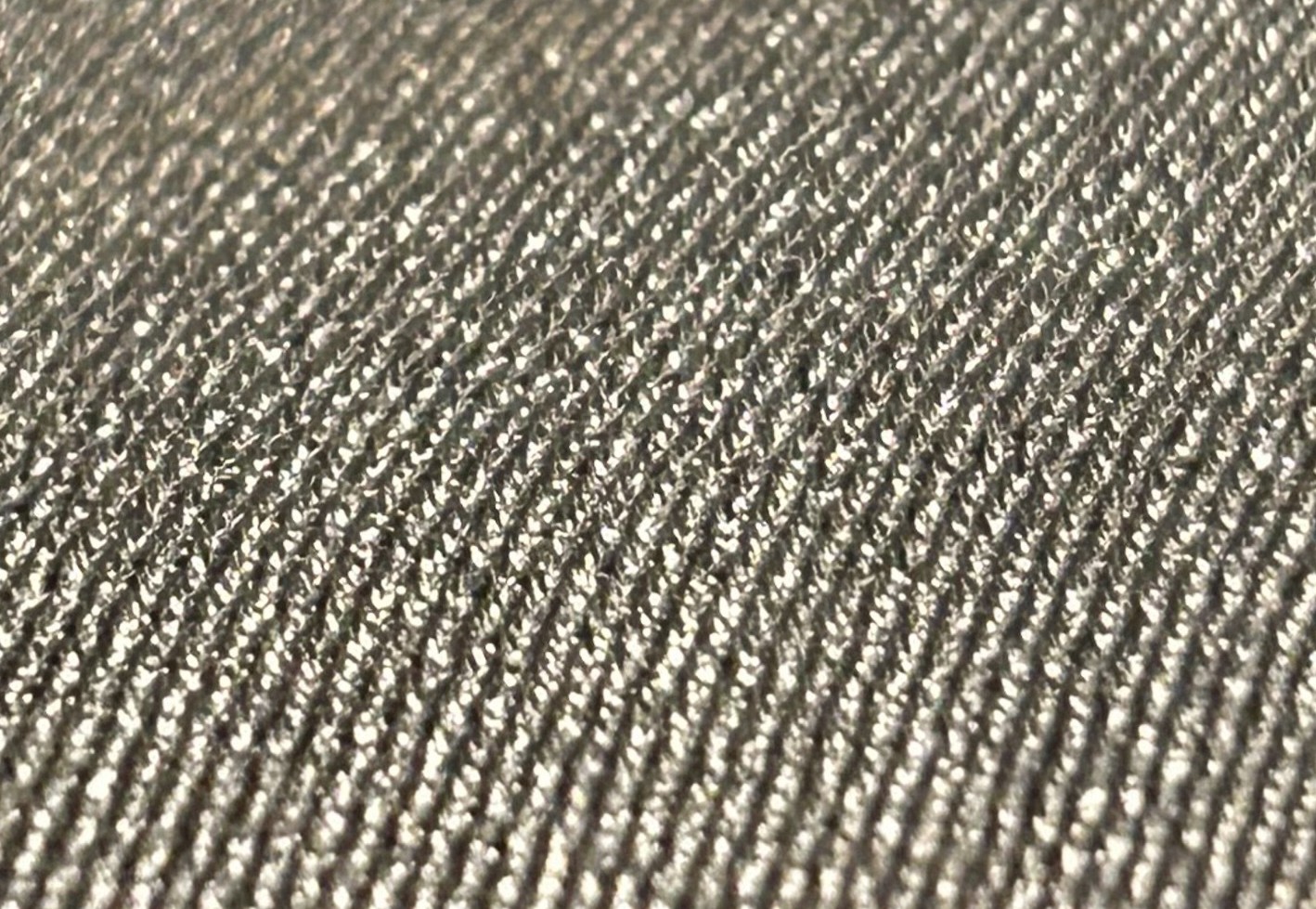
During my time at Random Studio, I researched on new interactions within retail spaces, with a particular focus on the potential of soft materials and textiles.
This led to the development of interactive fabric interfaces, enabling new forms of haptic and tactile interaction, typical of retail environments.
Abstract Visual

The Challenge

Research, design and prototype new ways of interacting within retail environments.
The goal was to explore intuitive, embodied experiences that could engage customers in novel ways, moving beyond traditional touchscreens and rigid interfaces.

Challenge Visual

The Solution

Solution Visual 1
Solution Visual 2
Solution Visual 3

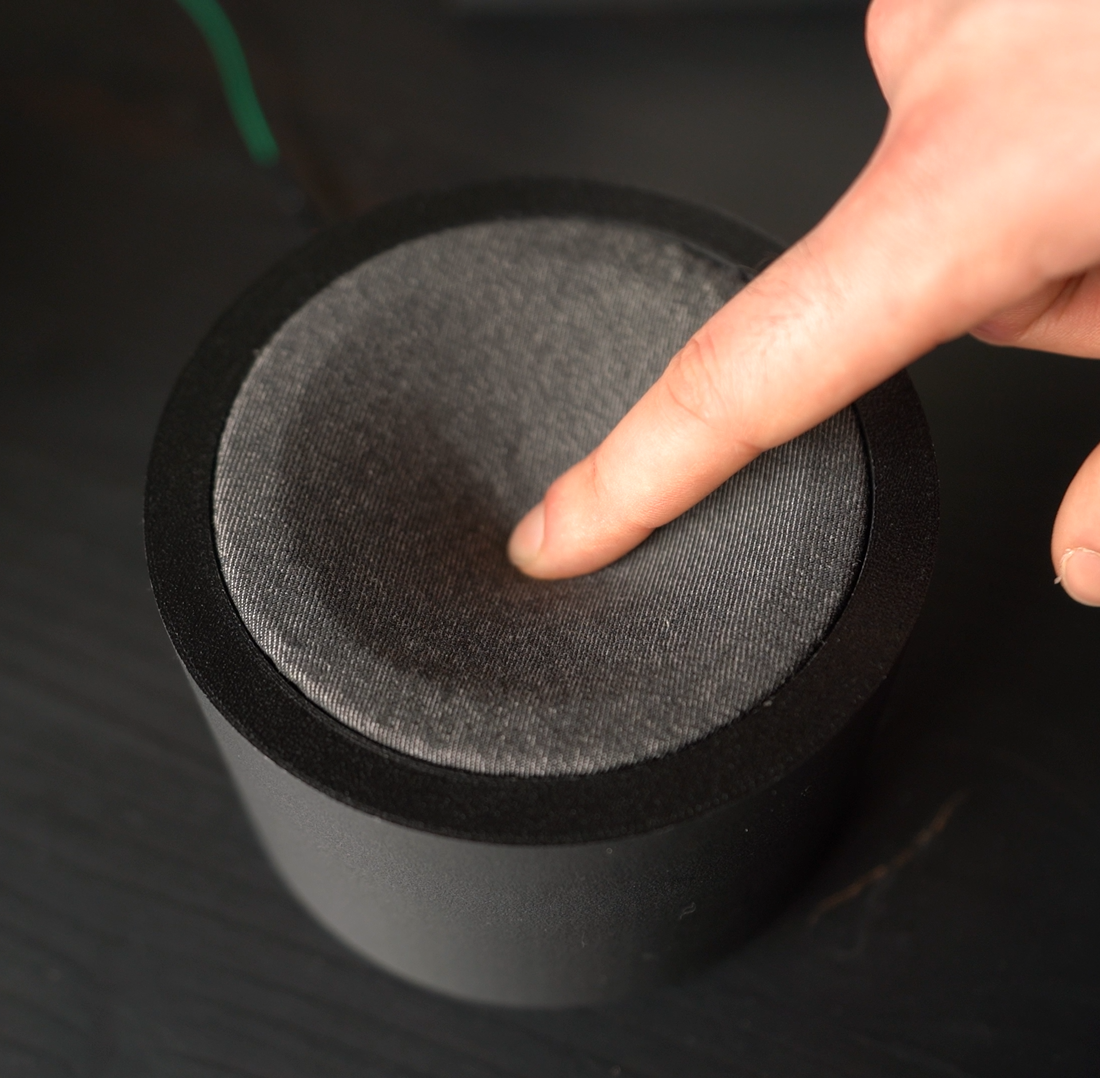
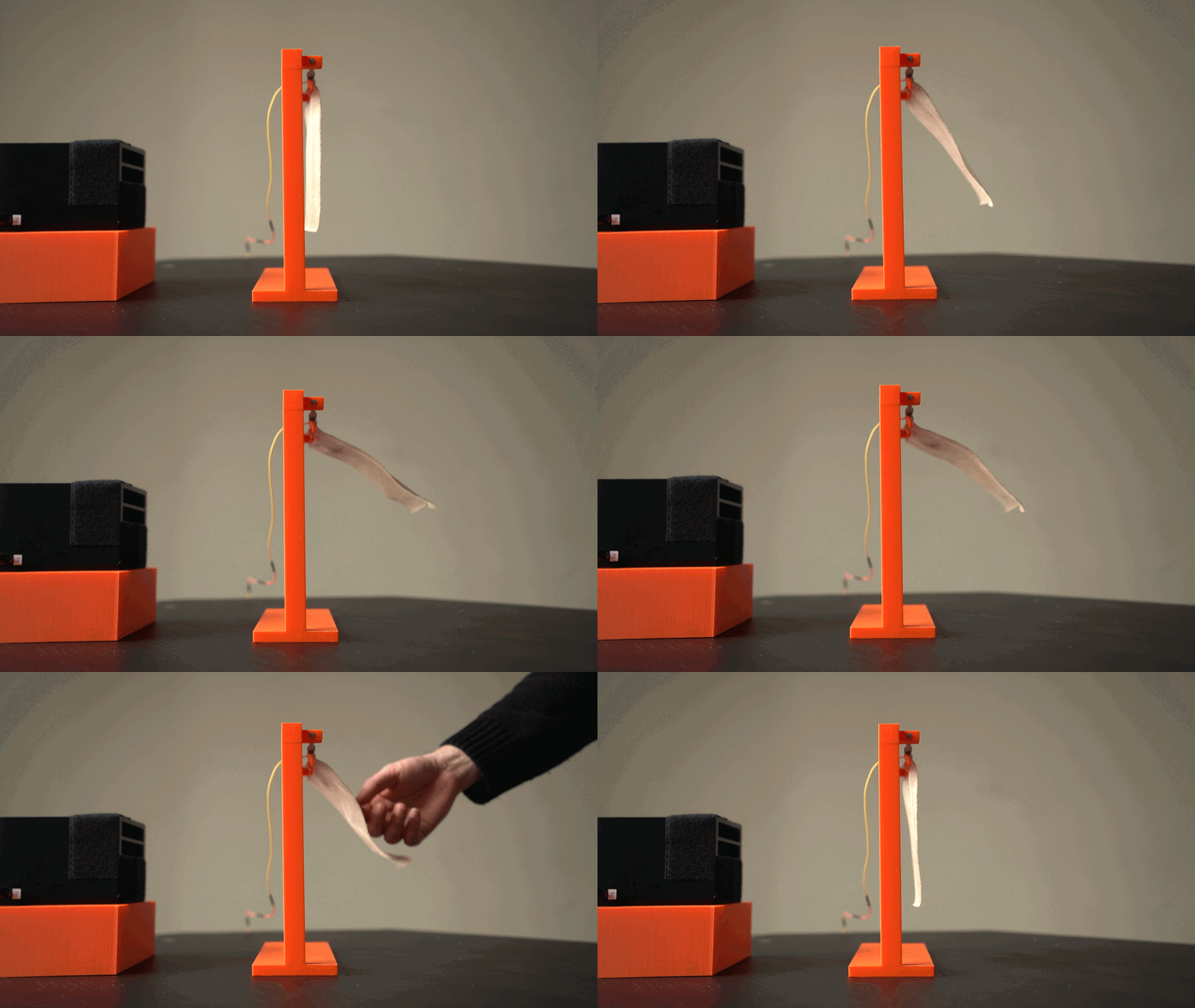
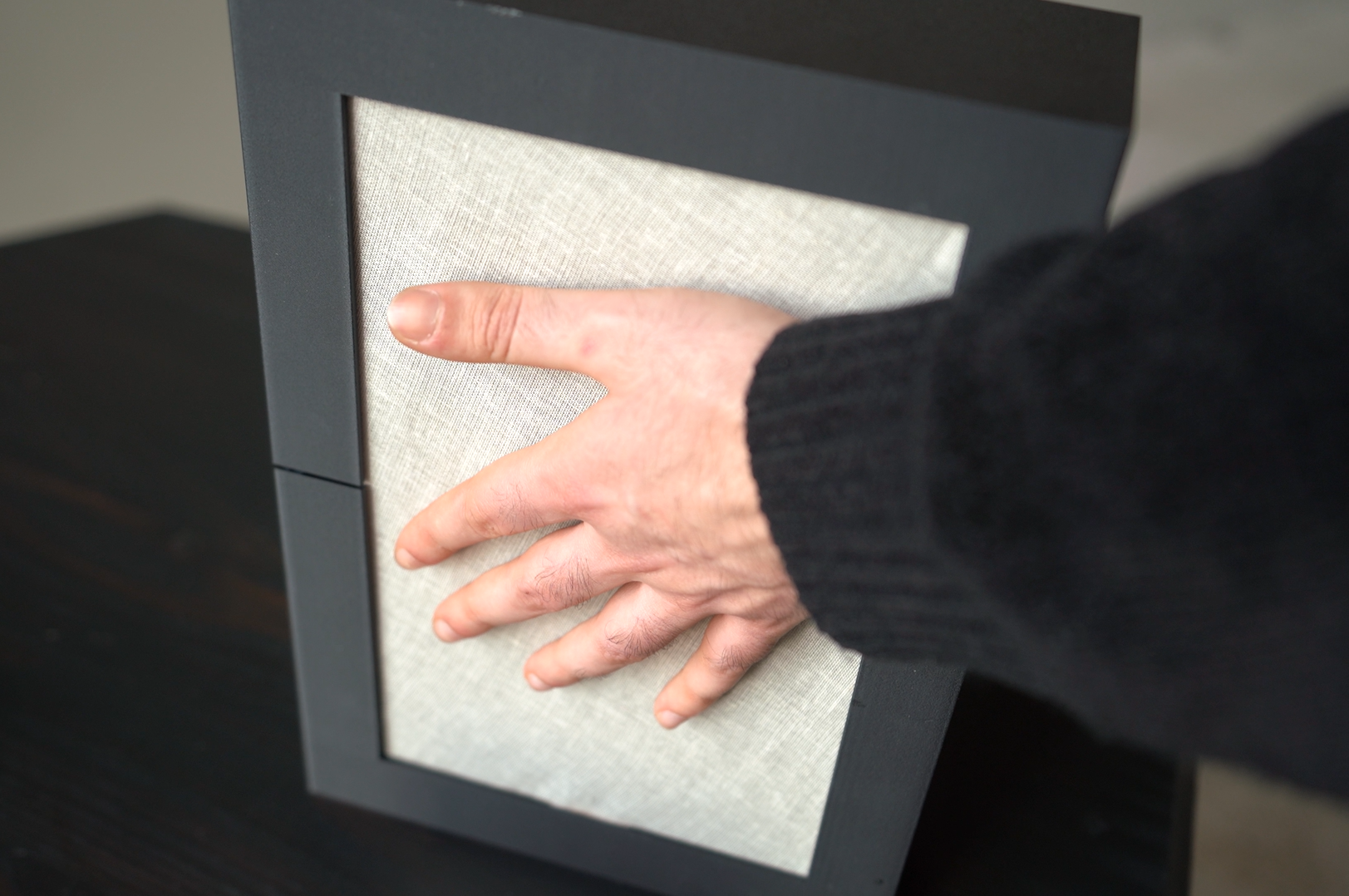
Three different fabric interfaces were prototyped in order to let users interact with the environment they are in, by controlling and changing the light and hue of the environment or activating a fan.

The controllers were prototyped using an ESP32 and conductive fabrics, demonstrating how soft materials can offer intuitive and expressive interactions beyond conventional rigid screens in-store.

Prototype 1

Prototype 1 - Switch Button

Description of the first prototype. What it does, how it works, and what interaction it enables.

Prototype 2

Prototype 2 - Approach

Description of the second prototype. What it does, how it works, and what interaction it enables.

Prototype 3 - Curtain

Description of the third prototype. What it does, how it works, and what interaction it enables.

The Process

UX

Research & Ideation

We started by researching existing textile interfaces and soft robotics projects to understand the landscape of fabric-based interaction. We then brainstormed different controller concepts, focusing on gestures that feel natural with soft materials — squeezing, stretching, folding, and pressing.

<>

Prototyping

Using conductive fabrics, velostat, and conductive thread, we built multiple sensor prototypes. Each sensor was connected to an Arduino microcontroller, which translated the analog readings into digital game inputs via serial communication.

!

Testing & Iteration

We tested the controllers with users through playtest sessions, gathering feedback on ergonomics, responsiveness, and playfulness. The insights helped us iterate on sensor placement, material choices, and the mapping between physical gestures and game actions.

Zoomed image